
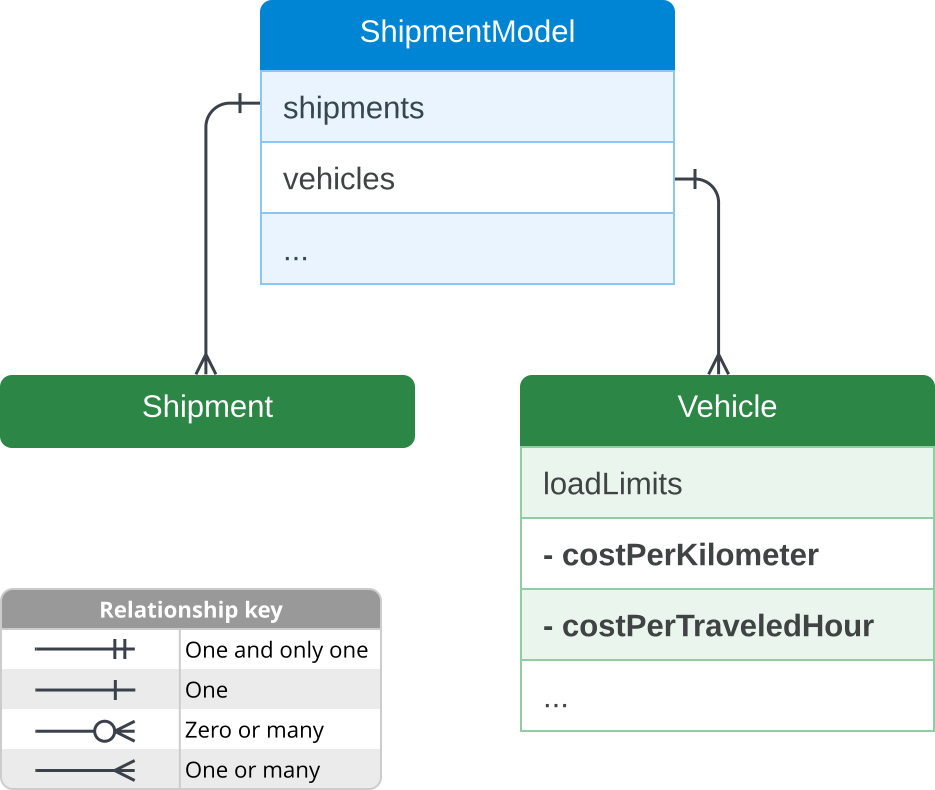
載貨成本是指車輛在取貨和送貨之間載貨時產生的成本或罰款。你可以根據costPerKilometer的旅行距離、costPerTraveledHour的旅行時間,或同時使用兩者來設定這些費用。
設定載入費用,以支援下列目標:
- 將燃料成本納入考量,這項成本會隨著貨物重量增加。
- 避免讓重型車輛長途行駛。
- 考量重物造成的車輛磨損。
屬性
在 Vehicle 的 loadLimits 屬性中指定負載成本。
與所有其他費用參數一樣,載入費用會使用無因次相對費用單位。
您可以使用下列屬性定義裝載成本:
| 屬性 | 類型 | 說明 |
|---|---|---|
costPerKilometer |
物件 | 包含 LoadCost 物件型別,可根據行駛里程計算交通費用。 |
costPerTraveledHour |
物件 | 包含 LoadCost 物件型別,可根據旅行時數計算旅行費用,不含等待、拜訪和休息時間。 |
LoadCost
LoadCost 訊息類型會定義運送特定貨物的旅行費用。您可以設定負載閾值,然後指定低於和高於該閾值的每單位負載的不同費率。
LoadCost 物件包含下列設定參數:
| 參數 | 類型 | 說明 |
|---|---|---|
loadThreshold |
字串 (64 位元整數格式) | 費用計算費率變更的負載量。預設值為 0。 |
costPerUnitAboveThreshold |
數字 | 高於 loadThreshold 的每單位負載所適用的費用。預設值為 0。 |
costPerUnitBelowThreshold |
數字 | 套用至每個負載單位的費用低於或等於 loadThreshold。預設值為 0。 |
將貨物成本與出貨項目配對
當車輛運送的貨物符合路線上的出貨loadDemands類型時,系統會套用裝載成本。負載類型是任意字串,例如重量或體積。如要進一步瞭解如何設定負載類型,請參閱「負載類型」。
範例
本節將說明三種範例:
程式碼範例
以下範例說明如何使用所有可用的設定參數,建構載入費用。這個範例使用 costPerKilometer,但您可以將其替換為 costPerTraveledHour,根據旅行時間而非距離計算費用。
{
  "model": {
    "vehicles": [{
      "loadLimits": {
        "LOAD_TYPE": {
          "maxLoad": "MAX_LOAD",
          "costPerKilometer": {
            "loadThreshold": "LOAD_THRESHOLD",
            "costPerUnitAboveThreshold": COST_ABOVE,
            "costPerUnitBelowThreshold": COST_BELOW
          }
        }
      }
    }]
  }
}
範例情境
本節說明如何盡量減少燃料消耗量,而燃料消耗量與距離和貨物重量成正比。車輛載重越大,耗油量就越高,因此建議先配送較重的包裹。
如要設定這項行為,可以設定要求,對載重物長途行駛的車輛進行處罰。在本範例中,請在要求中使用下列屬性值:
| 父項 | 屬性 | 類型 | 值 | 情境 |
|---|---|---|---|---|
loadLimits |
負載類型 | 字串 | weightKg |
定義要追蹤的容量類型。這個範例使用 weightKg 代表貨物重量 (以公斤為單位)。 |
loadLimits |
maxLoad |
字串 | 100 |
車輛可載運的貨物重量上限。 |
costPerKilometer |
loadThreshold |
字串 | 15 |
設定基準負載門檻。如果貨物重量超過 15 公斤,將依重量收取燃料費罰款。 |
costPerKilometer |
costPerUnitAboveThreshold |
數字 | 1 |
做為燃料費用係數。每超過 15 公斤的貨物,每行駛一公里就會產生 1 個費用單位。 |
loadDemands |
amount |
字串 | 出貨批次 1:50出貨批次 2: 10出貨批次 3: 80 |
指出三批貨物各自的重量。 |
在這個情境中,您設定的值會產生下列影響:
- 最佳化工具會安排路線,優先遞送最重的包裹。求解器會在路線開頭安排 80 公斤和 50 公斤的配送作業,盡量減少重物載運時的行駛距離。
- 最佳化工具會安排路線,盡量縮短載運重物時的行駛距離。如要瞭解這些設定對路線的影響,可以將
costPerUnitAboveThreshold從1增加到5。提高重量懲罰,可促使最佳化工具更加努力,盡量減少載重貨物行駛的距離,這可能會重新安排卸貨順序,或將貨物分裝到多部車輛。
要求範例
以下範例顯示基本 optimizeTours 要求的結構,其中納入範例情境中的載入費用值:
{
  "model": {
    "shipments": [
      {
        "deliveries": [
          {
            "arrivalLocation": {
              "latitude": 37.789456,
              "longitude": -122.390192
            },
            "duration": "250s"
          }
        ],
        "penaltyCost": 100.0,
        "loadDemands": {
          "weightKg": {
            "amount": "50"
          }
        }
      },
      {
        "deliveries": [
          {
            "arrivalLocation": {
              "latitude": 37.789116,
              "longitude": -122.395080
            },
            "duration": "250s"
          }
        ],
        "penaltyCost": 30.0,
        "loadDemands": {
          "weightKg": {
            "amount": "10"
          }
        }
      },
      {
        "deliveries": [
          {
            "arrivalLocation": {
              "latitude": 37.795242,
              "longitude": -122.399347
            },
            "duration": "250s"
          }
        ],
        "penaltyCost": 50.0,
        "loadDemands": {
          "weightKg": {
            "amount": "80"
          }
        }
      }
    ],
    "vehicles": [
      {
        "endLocation": {
          "latitude": 37.794465,
          "longitude": -122.394839
        },
        "startLocation": {
          "latitude": 37.794465,
          "longitude": -122.394839
        },
        "costPerHour": 40.0,
        "costPerKilometer": 10.0,
        "loadLimits": {
          "weightKg": {
            "maxLoad": "100",
            "costPerKilometer": {
              "loadThreshold": "15",
              "costPerUnitAboveThreshold": 1
            }
          }
        }
      }
    ]
  }
}
計算公式
最佳化工具會使用下列公式計算負載成本。
完整門檻計算
如果同時指定 costPerUnitAboveThreshold 和 costPerUnitBelowThreshold,系統會針對高於和低於 loadThreshold 的負載量分別計算運送費用。公式如下:
cost = max(carried_load - load_threshold, 0) * distance_or_time * cost_per_unit_above_threshold
       + min(carried_load, load_threshold) * distance_or_time * cost_per_unit_below_threshold
舉例來說,使用要求範例中的值,其中 costPerUnitBelowThreshold 的值為 2,如果車輛載重 50 公斤行駛 10 公里,計算方式如下:
max(50 - 15, 0) * 10 * 1 + min(50, 15) * 10 * 2 = 650 cost units
高於門檻的計算方式
如果只指定 costPerUnitAboveThreshold,計算方式會是完整門檻公式的特例。由於低於門檻的費用為零,完整公式的後半部會評估為零。公式如下:
cost = max(carried_load - load_threshold, 0) * distance_or_time * cost_per_unit_above_threshold
舉例來說,使用要求範例中的值,其中 loadThreshold 為 15,costPerUnitAboveThreshold 為 1,如果車輛載重 50 公斤行駛 10 公里,計算方式如下:
max(50 - 15, 0) * 10 * 1 = 350 cost units
低於門檻的計算方式
同樣地,如果您只指定 costPerUnitBelowThreshold,則計算方式是完整門檻公式的另一種特殊情況,其中高於門檻的費用為零。公式如下:
cost = min(carried_load, load_threshold) * distance_or_time * cost_per_unit_below_threshold